Window replacement guide
Benefits of New Windows: Comfort, Quiet and Natural Light
Most people start thinking about new windows because of a draft, a foggy pane or a window that won’t open. What they talk about afterward is how different the house feels. Here’s what changes, and which choices make the biggest difference.
The short answer
Replacing old windows makes a home more comfortable (fewer drafts, more even temperatures), quieter (better seals and insulated glass block outside noise), brighter and better ventilated (more glass, windows that actually open) and easier to live with (secure locks, less maintenance, less fading).
How much you notice depends on what you’re replacing and what you choose: glass package, frame, window style and, above all, a careful installation.
A more comfortable home
Old windows lose heat two ways: through the glass, and through air leaking around worn sashes and frames. That’s why the chair next to the window feels cold even when the thermostat says 70.
- Warmer glass: insulated, Low-E glass keeps the inside pane closer to room temperature, so you don’t feel the chill radiating off it.
- Fewer drafts: new weatherstripping and a sealed installation stop air leaks around the frame.
- Even temperatures: rooms on the sunny side overheat less in summer, and rooms on the shady side stay warmer in winter.
- Less condensation: warmer glass surfaces mean less moisture forming on the glass, which also means less mildew on sills.
Our energy-efficient windows guide explains the ratings behind this.
A quieter home
Sound gets in through gaps first and glass second. A new window that seals tightly against its frame often makes the biggest difference by itself, especially compared with old single-pane or loose wood sashes.
What reduces noise most
- Tight seals: quality weatherstripping and a well-sealed installation close the air paths sound travels through.
- Insulated glass: double-pane glass blocks more sound than single-pane; triple-pane blocks more still.
- Laminated glass: a plastic interlayer damps vibration and is one of the most effective upgrades for traffic noise.
- Different glass thicknesses: panes of unequal thickness don’t vibrate at the same frequency, which helps cut noise.
Window sound ratings are given as STC (sound transmission class) or OITC (outdoor-indoor transmission class); higher numbers block more. If you live near a busy street, a rail line or a school, mention it when you get a quote so the glass can be chosen for it. Add-on fixes like interior inserts can help an old window, but they don’t solve drafts or failed seals the way replacement does.
More natural light and fresh air
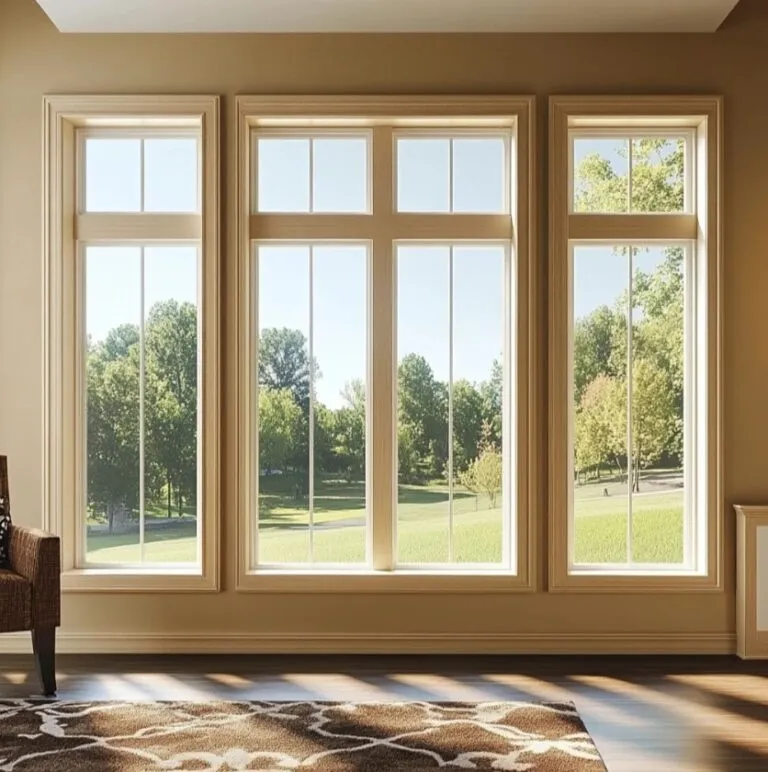
Replacement windows can let in more daylight than the old ones, especially when you go from bulky frames or divided panes to slimmer frames and larger glass. Low-E coatings let light through while blocking much of the UV that fades floors and furniture.
Ventilation matters too. A window that’s painted shut or too heavy to lift isn’t much use on a warm evening. Choosing the right style for each room helps:
| Window style | Good for |
|---|---|
| Casement | Catching breezes; opening fully for airflow and egress |
| Awning | Ventilation even in light rain; bathrooms and basements |
| Double-hung | Airflow from top and bottom; traditional homes |
| Slider | Wide openings that are easy to operate |
| Picture | Maximum light and views where you don’t need to open |
See all the options in our window styles guide. Placing operable windows on opposite sides of a room or house creates cross-ventilation that cools rooms faster.
Security and peace of mind
Worn-out windows often don’t lock properly, and some old latches are easy to defeat. New windows come with multi-point or improved locks, and tempered or laminated glass can be used where codes require it or where you want extra protection. In bedrooms, new windows should meet the building code’s egress requirements so everyone can get out in an emergency.
Less upkeep
Fiberglass and vinyl frames don’t need painting, and modern sashes tilt or slide for easier cleaning. You also stop chasing the problems old windows bring: scraping and repainting, rotting sills, broken sash cords and fogged glass.
Value when you sell
Buyers and inspectors notice windows. New windows remove an item from the inspection report and help a home show well. For an honest look at what windows return at sale, see can new windows increase home value?
Getting the most from new windows
- Tell your installer what bothers you most: drafts, noise, heat, light or operation.
- Choose glass for each side of the house rather than one package for every window.
- Pick window styles room by room for light, airflow and egress.
- Make sure the installation is insulated and sealed, not just caulked on the outside.
We’ve replaced windows in Portland-area homes since 2002. Request a free in-home quote and we’ll talk through what would make the biggest difference in yours.
Yes, often noticeably, especially when they replace single-pane or loose-fitting windows. Tight seals do the most; double- or triple-pane glass and laminated glass add more. For traffic noise, laminated glass is one of the most effective options.
Yes. New windows seal tightly against their weatherstripping, and a proper installation insulates and seals the gap between the window and the wall. Drafts that remain usually come from elsewhere, like outlets, doors or the attic.
They can. Slimmer frames, larger glass areas and fewer divided panes all add daylight. Low-E glass lets visible light through while blocking much of the UV that causes fading.
Casement windows catch breezes and open fully, which makes them the best for airflow. Awning windows can stay open in light rain. Double-hung windows let warm air out the top and cool air in the bottom.
Generally, yes. New windows have better locks, and sashes that close tightly are harder to force. Tempered or laminated glass can be added for extra protection.
Want a quieter, more comfortable home?
Free in-home consultation. Financing available, subject to credit approval.
- One clear, written price
- Lifetime craftsmanship warranty and leak-free guarantee
- Call us: (503) 643-3887
Free in-home quote
Takes about a minute. No pressure, no obligation.