
Window guide
Replacing windows in older and historic Portland homes
Portland’s bungalows, Craftsmans, Foursquares and Victorians are full of character, and full of drafty old windows. Here’s how to make an older home more comfortable and energy-efficient without losing what makes it special, and what to know if your home is historic.

Whole-home window replacement, Victorian, Aloha
The short answer
You can make an older home much warmer, quieter and more energy-efficient while keeping its character. The key is choosing windows that match the originals: the same way of opening, similar proportions and grille patterns, and materials and finishes that suit the house.
If your home is a designated historic landmark or in a historic or conservation district, exterior changes like window replacement may need city review first. Check your property’s status with the City of Portland before ordering windows.
Portland’s older homes and their windows
Many Portland neighborhoods, especially in Southeast and Northeast Portland, are full of homes built before 1950: bungalows, Craftsmans, Foursquares, Old Portland-style homes and Victorians. Most were built with single-pane wood windows, often double-hung sashes with weights and pulleys hidden in the walls.
Those windows were beautifully made, but after decades of rain and repainting many now stick, rattle, leak air and let water into the sills. Single-pane glass also loses far more heat than modern insulated glass, which is why older homes so often feel drafty and cold near the windows.
Is your home historic? What that means
Being old doesn’t make a home officially historic. In Portland, extra rules usually apply only if your home is a designated historic landmark or sits in a historic or conservation district, such as Irvington or Ladd’s Addition.
For those properties, exterior changes, including replacing windows, may require Historic Resource Review through the City of Portland before work begins. Reviewers generally look at whether new windows are compatible with the original design, often comparing material, size, operation, profile and grille pattern. The exact requirements depend on your property’s designation and the scope of the project.
- Check your status first. Look up your property on the city’s historic resource information, or ask the Bureau of Development Services, before ordering windows.
- Plan for review time. If review is required, build it into your schedule.
- Bring product details. We can provide window specifications, profiles and finish information to support your application.
Most older Portland homes aren’t designated, so they don’t need this review, but it’s worth confirming before you start.
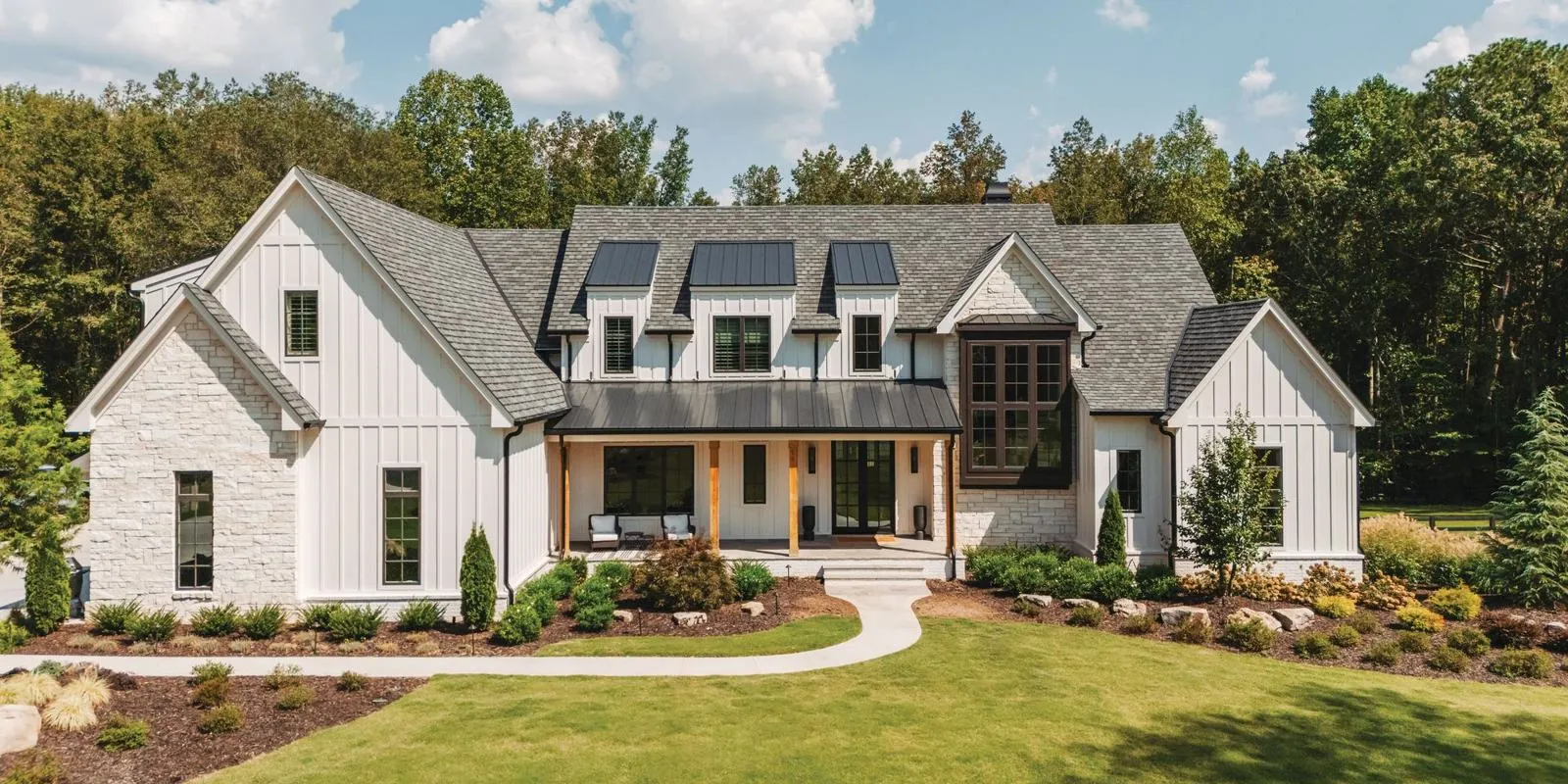
Product photo
Keeping historic character
- Match how the windows open. If the originals are double-hung, replace them with double-hung.
- Keep the proportions. Similar sash sizes and the same top-and-bottom balance keep the facade looking right.
- Match grille patterns. Simulated divided lites, with grilles on the outside and inside of the glass, recreate the look of true divided panes.
- Choose the right material and finish. Wood or wood-clad windows, or fiberglass with paintable or wood-look finishes, suit older homes.
- Keep the trim. Insert replacement leaves original interior casings and exterior trim in place.
Improving energy efficiency in an older home
New windows are one of the biggest comfort upgrades an older home can get. Today’s energy-efficient windows combine insulated glass, low-E coatings, gas-filled panes and tight-sealing frames, which together cut drafts, condensation and heat loss.
- Insulated low-E glass replaces single-pane glass that loses heat all winter.
- Tight-sealing sashes stop the rattles and drafts of worn wood windows.
- Sealing the opening around each new window closes gaps between the frame and the wall.
- Insulating weight pockets when old sash-weight cavities are opened up during full-frame replacement.
If your home’s review rules or your own preferences mean keeping the original windows, weatherstripping and storm windows can also improve comfort; that work is usually done by window restoration specialists.
Restore, insert or full-frame?
There are three main paths for older windows. The right one depends on the condition of the frames, your home’s historic status, and your goals.
| Keeps original sashes | Energy efficiency | Historic character | Maintenance | Best for | |
|---|---|---|---|---|---|
| Restore originals + storm windows | Yes | Some improvement | Highest | Ongoing painting and upkeep | Historic homes where originals must stay |
| Insert replacement | No (frame stays) | Big improvement | High, especially with matching styles | Low | Sound frames; keeping interior trim |
| Full-frame replacement | No | Biggest improvement | High with the right window | Low | Rot, water damage, or re-siding |
Clear Choice focuses on replacement. If restoration is the right path for your home, a window restoration specialist is the right call, and we’ll tell you so.
Lead-safe work in older homes
Homes built before 1978 may have lead-based paint, and old window sashes and sills are some of the most common places to find it. Disturbing that paint without precautions can spread lead dust.
Clear Choice is an EPA Lead-Safe Certified Firm. On older homes, our crews follow lead-safe work practices: containing the work area, minimizing dust, and cleaning up carefully before we leave.
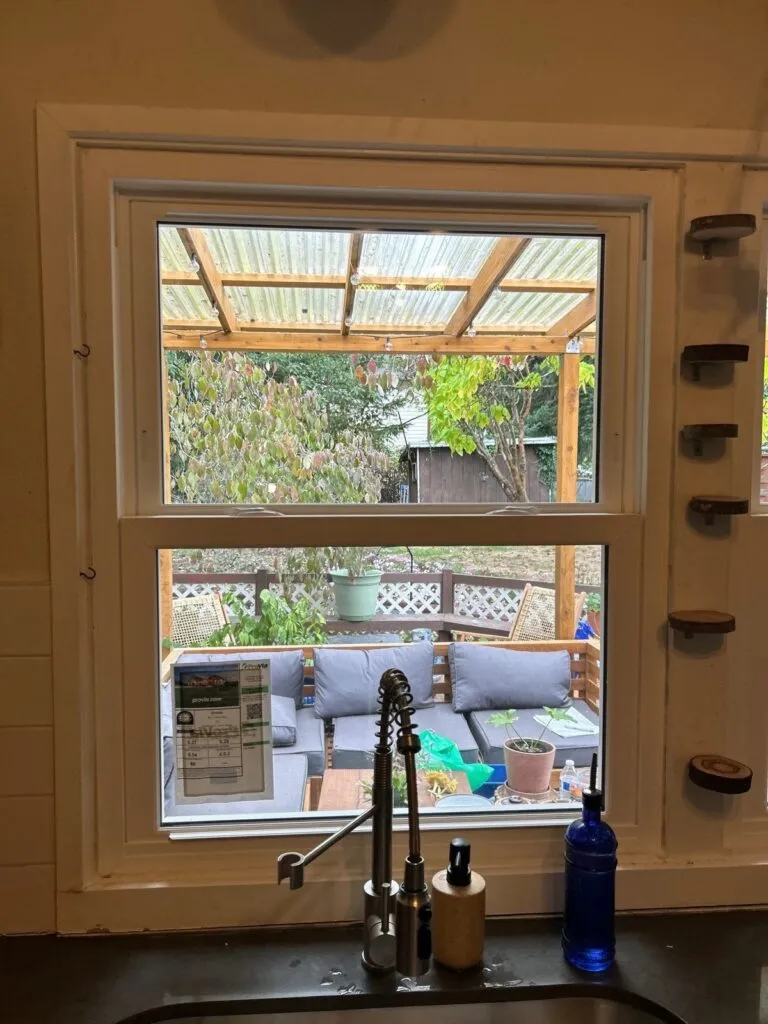
SE Portland project
What we find in older homes
Opening up an old window often tells us more about the house. Common finds in Portland’s older homes include rot in sills and the framing below them, missing or failed flashing, old sash-weight pockets with no insulation, and openings that are out of square after decades of settling.
That’s why we inspect every opening during your free estimate and explain what we see. When we find rot, full-frame replacement lets us repair it and flash the opening properly against our rain.
Questions
Questions about windows for older and historic homes
Don’t see yours? Call us at (503) 643-3887.
A warmer, quieter, less drafty home, lower heating and cooling bills, less condensation, windows that open and lock easily, and an end to the painting and repairs old wood windows need. With the right style, new windows can also suit the home’s original character.
Replacement makes sense when frames are rotting, windows leak or won’t operate, or you want the biggest gain in comfort and efficiency. Restoration with storm windows can make sense when keeping the original sashes matters most, especially on designated historic homes.
If your home is a designated landmark or in a historic or conservation district in Portland, exterior changes like window replacement may require Historic Resource Review. Check your property’s status with the City of Portland before ordering windows.
Usually, yes. Matching the way they open, the sash proportions and grille patterns, and choosing the right material and finish keep an older home looking right.
Requirements depend on the property and the review. Reviewers often look for windows compatible with the originals in material and design, so wood or wood-clad windows are common in historic projects. Confirm with the city for your home.
In homes built before 1978 it can be. Clear Choice is an EPA Lead-Safe Certified Firm, and our crews follow lead-safe work practices.
No. We focus on window replacement. If restoration is the right path for your home, a window restoration specialist is the best choice.
Ready to make an older home more comfortable?
Free in-home consultation. Financing available, subject to credit approval.
- One clear, written price
- Lifetime craftsmanship warranty and leak-free guarantee
- Call us: (503) 643-3887
Free in-home quote
Takes about a minute. No pressure, no obligation.